

LIFE JUNCTION
A self-narrative toolkit supporting midlife career transitioners’ inner practice.
Life Junction is a tangible reflection toolkit designed for midlife career transitioners experiencing identity disruption during career changes. The project explores how service design can support psychological reconstruction through self-narrative practices.
Role
Service Designer / Researcher
Methods
Ethnographic Research · Research through Design · Co-design
Outcome
Physical toolkit + reflection framework


User Experience

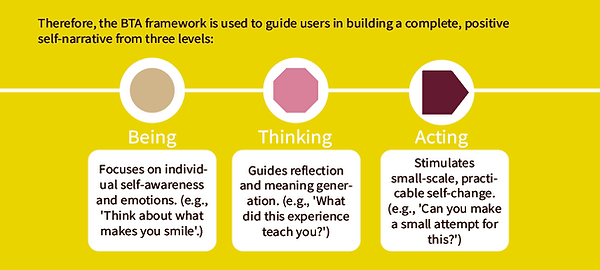
The toolkit guides users through a reflective journey: defining their current position, mapping past experiences, identifying possible routes, and writing narrative “tickets” that capture personal insights.
Rather than offering direct answers, the system creates a structured space for individuals to reflect, pause, and reinterpret their own life stories.
Design Outcome



DESIGN PROCESS


The Problem
Economic restructuring and technological transformation have created a growing group of midlife career transitioners. Many individuals aged 45–55 are forced to leave their previous professional identities but struggle to re-enter the labor market.
The core dilemma is not simply unemployment. It is the disruption of identity and social recognition that occurs when long-established professional roles suddenly disappear.
Research Context
This research was conducted in XinHongQiao Community, Shanghai, an urban area experiencing rapid economic and demographic transformation. The community employment center and local job fairs provided opportunities to observe how midlife individuals navigate career transitions.
Field observation revealed that many participants attended employment services but rarely expressed their deeper concerns about identity, purpose, or self-worth.


Field Research
To build trust with this socially invisible group, ethnographic interviews were conducted through informal encounters such as conversations with ride-hailing drivers. These interactions revealed that many midlife workers avoid openly discussing career struggles due to strong self-esteem and social pressure.
Behind seemingly optimistic conversations often lies anxiety, uncertainty, and a need for recognition.
Research Through Design
The project adopted a Research-through-Design approach, using iterative prototypes to explore how support systems for career transition might work.
Early experiments—including mentoring platforms and group discussions—revealed an unexpected challenge: collective settings often triggered defensive behaviour rather than honest reflection.


Key Insight
The research revealed a critical shift in perspective: the core need of midlife career transitioners is not simply finding a new job, but reconstructing personal meaning and identity.
This insight reframed the design challenge from external employment support to internal narrative reconstruction.
Stakeholders

